

What Is the Best Way to Start Planting Hibiscus From Cuttings?
If you want to learn how to plant hibiscus from cuttings, the process is simple when you follow the right steps. Many beginners struggle with root rot, slow growth, and pest problems, but the solution is straightforward. Use clean pruning tools, choose healthy stems, apply rooting hormone if available, prepare well-drained soil, and place your cutting in bright indirect sunlight. This approach helps speed up root development, prevents fungal attacks, and ensures your cutting grows into a healthy plant.
Hibiscus cuttings are usually taken from semi-hardwood stems. A cutting of 6–8 inches works well because it carries enough nutrients to support growth. Remove the leaves at the bottom, dip them in rooting powder, and plant them into moist soil. Within 3–5 weeks, you should notice new leaves, which are a sign that roots are forming successfully.
Did You Know ?
Hibiscus cuttings root faster when placed in warm, moist soil with indirect sunlight.
Where Can You Buy Healthy Hibiscus Plants to Start With?
Before you begin propagating, some gardeners prefer to compare young nursery plants for reference, so they Buy hibiscus plant online. Online plant stores help you check reviews, plant health guarantees, and delivery quality. Look for sellers that ship disease-free plants because fungal infections can spread quickly through cuttings.
How to Grow Hibiscus Plant From Stem Successfully?
One effective method for those looking for how to grow hibiscus plant from stem is to prepare a potting mix using garden soil, sand, and organic compost. Insert the cutting halfway into the soil, water lightly, and keep the pot in a bright spot. New growth should appear once the cutting is rooted. Avoid full sun in the first two weeks, as young cuttings can dry out faster.
Some farmers who grow tropical plants, such as Cashew plant in India, often propagate hibiscus the same way because both species appreciate warm climates and well-drained soil. Consistency in watering is key here.
What Tools Are Needed for Planting Hibiscus From Cuttings?
To propagate hibiscus correctly, prepare these basic tools:
• Clean pruning shears
• Rooting hormone
• Potting soil or soil-compost mix
• Small pots or grow bags
• Spray bottle
• Gloves for safety
Clean tools prevent infections, while rooting hormone increases the chance of successful rooting. A spray bottle helps maintain humidity without soaking the soil.
What Kind of Soil Is Best for Hibiscus Cuttings?
Hibiscus prefers soil that drains well. You can create this mix using:
• 50% garden soil
• 25% sand
• 25% compost
For soil improvement, some gardeners add Bio compost organic fertilizer, which enhances nutrient content without chemical residue. Compost also helps retain moisture while keeping the soil airy—perfect for cuttings.
How Do You Help Hibiscus Grow Faster Once Established?
Gardeners often ask how to grow hibiscus plant faster, and the answer lies in proper nutrients and sunlight. Hibiscus loves bright sunlight for at least 5–6 hours daily. Fertilize once every 15 days with organic compost or seaweed extract during the growing season. Regular deadheading encourages fresh blooms and faster growth.
Hibiscus responds well to balanced nutrients, especially potassium and nitrogen. Avoid overwatering, which slows down root expansion.
Can Hibiscus Grow Well With Other Fruit Plants Nearby?
Many gardeners grow hibiscus alongside fruit species because they attract pollinators like bees. A guava fruit plant often shares similar watering needs, making them compatible. Companion planting can improve airflow and soil diversity.
How to Prevent Soil Hardening for Hibiscus Cuttings?
Hibiscus stems can rot if planted in compacted soil. To maintain soil aeration, many growers use products from Cocopeat 5kg blocks exporter suppliers. Cocopeat absorbs moisture and keeps the soil loose.
How to Use Cocopeat for Plants When Propagating Hibiscus?
Understanding how to use cocopeat for plants is important because excessive moisture can damage roots. Mix 40% cocopeat with soil and compost. It will retain moisture without drowning the cutting. Always squeeze cocopeat before mixing to remove excess water.
What Mistakes Should You Avoid When Growing Hibiscus From Cuttings?
Beginners sometimes make the following errors:
• Placing cuttings in direct hot sunlight too early
• Watering heavily in the first week
• Using thick clay soil
• Taking cuttings from diseased branches
Avoid these mistakes to improve your rooting success rate.
How to Grow Healthy Hibiscus Plants Long-Term?
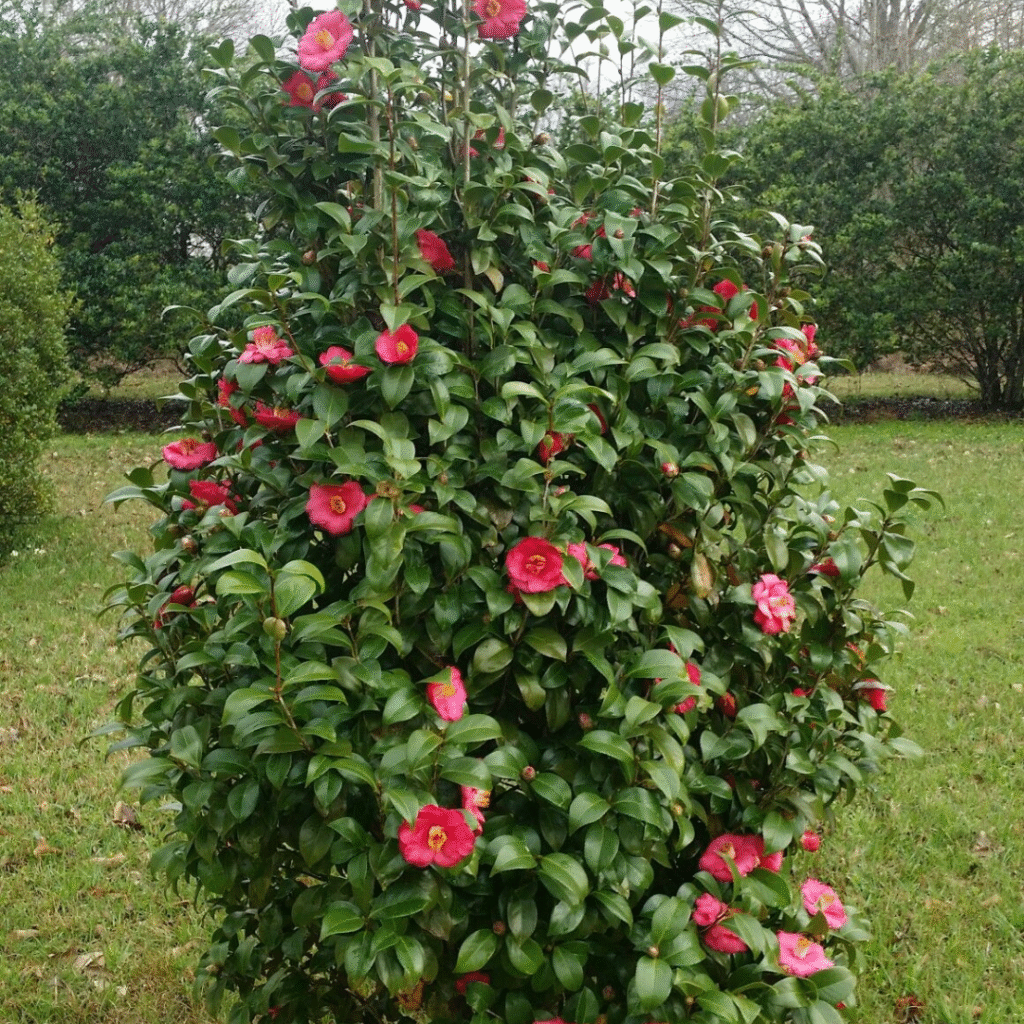
Learning how to grow healthy hibiscus plants requires consistent sunlight, proper pruning, and soil care. Hibiscus plants need rich nutrients during blooming season. Weekly pruning of weak stems encourages bushier growth. Remove dead flowers to prevent fungal spores.
How to Treat Bugs on Hibiscus Plants Without Chemicals?
A common challenge is how to treat bugs on hibiscus plants. The safest solution is spraying neem oil every 10–14 days. It prevents:
• Aphids
• Whiteflies
• Scale insects
Infected leaves should be removed immediately. Keep good airflow around the plant to discourage pests. Organic soap sprays are also effective.
What Are the Best Environmental Conditions for Hibiscus?
Hibiscus grows best in warm and slightly humid temperatures. Light winds are beneficial, but heavy storms can break tender stems. Shields or shades can protect delicate cuttings.
Can Hibiscus Cuttings Grow in Cocopeat Only?
Yes, but only temporarily. Once roots form, transfer them into soil mixed with compost. Cocopeat alone lacks essential minerals.
How Often Should You Water Hibiscus Cuttings?
Water once every 2–3 days during the rooting period. Always check moisture before watering. Excess water leads to root fungus.
Should You Fertilize Hibiscus Cuttings Immediately?
No. Fertilization should begin only after visible shoots appear, usually around week 4–5.
Are There Companion Plants That Support Hibiscus Growth?
Plants such as marigold deter pests. Fruit plants like guava attract pollinators. Hibiscus offers shade to seedlings below.
When Should You Transplant Hibiscus Cuttings Into the Garden?

Transplant after roots are well-developed and stems are hardened. This typically happens after 6–8 weeks.
Will My Hibiscus Cutting Flower in the First Year?
It may, but most new cuttings bloom fully in the second season once roots mature.
How to Maintain Hibiscus Plants in Winter?
Reduce watering, avoid fertilizing, and cover the plant from frost. Mulching prevents cold soil damage.
How to Revive a Dying Hibiscus Cutting?
Inspect the roots. Trim black decaying ends and replant into fresh soil. Keep in partial shade and water lightly.
Does Hibiscus Benefit From Organic Nutrition?
Yes. Compost and natural extracts strengthen immunity. Some farmers who grow crops for export also supply materials to Organic Agricultural Products manufacturers, which shows how valuable organic gardening has become.
Common Problems and Their Solutions
• Yellow leaves: Too much water
• White insects: Spray neem oil
• Weak flowering: Lack of sunlight
• Drooping leaves: Underwatering
• Brown tips: Humidity stress
Can Hibiscus Grow in Pots for Many Years?
Yes, with proper pruning and repotting every 2–3 years. Smaller pots reduce flower size, but maintain compact growth.
Harvesting Hibiscus Flowers Correctly
Pick mature flowers early in the morning for best medicinal and ornamental quality.
Ready to grow beautiful hibiscus plants at home? Start propagating cuttings today, improve soil quality with organic compost, and follow the care methods above for healthier blooms and faster growth.
Read More Blogs:-
Key Takeaways
• Use semi-hardwood stems for higher success
• Maintain partial shade in early rooting weeks
• Water lightly to prevent rot
• Improve airflow to prevent pests
• Use organic compost for nutrition
• Prune regularly for more flowers
Frequently Asked Questions
Q1. Why is my hibiscus cutting turning yellow?
Yellowing occurs due to overwatering or poor drainage. Reduce watering and loosen the soil.
Q2. Can hibiscus cuttings root without rooting hormone?
Yes, but rooting hormone increases success rate and speeds up growth.
Q3. When is the best season to take hibiscus cuttings?
Spring and early summer offer ideal humidity and temperature for rooting.
Q4. Why is my hibiscus not flowering after rooting?
Lack of sunlight and nutrients delay flowering. Move the plant to a brighter area and apply compost monthly.
Q5. Should you remove flowers from new hibiscus cuttings?
Yes, remove flowers during the first growth cycle. Flowers use energy that should support root development.