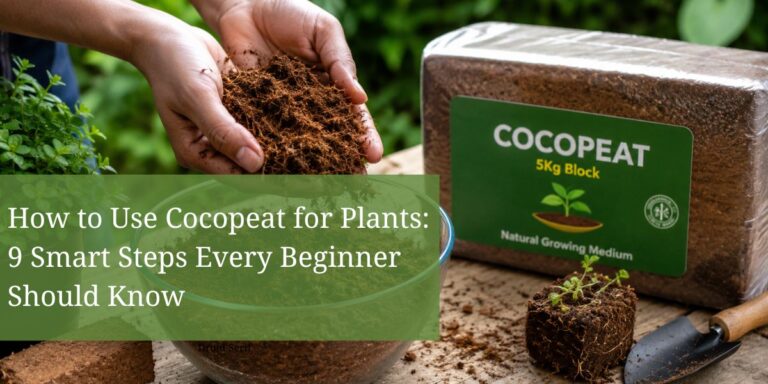


Cocopeat 5kg Blocks Exporter products are becoming a top choice for both home gardeners and commercial growers — and for good reason. This eco-friendly growing medium is sparking interest among plant lovers who are curious to know whether cocopeat can truly replace soil, especially in pots and container gardens. If you’ve ever wondered how to use cocopeat for plants to achieve healthier, stronger growth, this step-by-step guide is for you.
Derived from the fibrous husk of coconuts, cocopeat is a sustainable and versatile material that retains moisture, improves aeration, and supports robust root development. Many gardeners now prefer sourcing from a trusted Cocopeat 5kg Blocks Exporter to ensure quality and consistency. Whether you’re a beginner or a seasoned grower, mastering how to use cocopeat for plants can completely transform your gardening experience.
What is Cocopeat?
Cocopeat (also called coir pith or coir dust) is the spongy material extracted from coconut husks. Once processed, it becomes a lightweight, airy medium ideal for retaining water and nutrients. The best part? It’s 100% biodegradable and sustainable, making it a favorite for eco-conscious gardeners.
Can Cocopeat Replace Soil?
Yes — in many cases, cocopeat can replace soil entirely, especially for container gardening and seed germination. However, because cocopeat has little to no natural nutrients, you’ll need to mix it with compost, organic manure, or fertilizers to provide plants with the food they need.
Did You Know?
“India is one of the largest exporters of cocopeat worldwide, with products like Cocopeat 5kg Blocks being in high demand globally.”

Step-by-Step Guide: How to Use Cocopeat for Plants in Pots
Step 1: Preparing the Cocopeat
- Take your cocopeat block (available in various sizes, including 5kg) and place it in a large container or bucket.
- Add water gradually. A 5kg block will require 20–25 liters of water to expand fully.
- Wait for 20–30 minutes as it absorbs water and expands into a fluffy, soil-like texture.
Step 2: Mixing for Nutrients
- Since cocopeat is nutrient-deficient, mix it with compost, garden soil, or organic fertilizers.
- Ideal ratio: 50% cocopeat + 30% compost + 20% garden soil for healthy growth.
- If you’re using cocopeat for composting, blend it with kitchen scraps and green waste to balance moisture and aeration.
Step 3: Potting Your Plants
- Fill your pot with the prepared cocopeat mix.
- Plant seeds or seedlings at the recommended depth.
- Lightly water after planting to settle the mix.
Step 4: Watering Schedule
- Cocopeat retains water for longer periods, so you may water less frequently.
- Check moisture by pressing the surface — water only when the top feels dry.
Benefits & Importance of Cocopeat in Gardening
- Excellent Water Retention – Holds up to 8–10 times its weight in water.
- Improves Soil Aeration – Prevents compaction and allows roots to breathe.
- Eco-Friendly – Made from coconut husks, reducing agricultural waste.
- Versatile Usage of Cocopeat – Suitable for seed germination, hydroponics, container gardening, and composting.
- pH Neutral – Safe for most plant types.

Also Read:- Top 10 Indian Agricultural Products That Dominate Global Markets
Applications: Where Can You Use Cocopeat?
1. Cocopeat for Gardening
Perfect for balcony gardens, terrace farming, and home gardens. You can grow vegetables, herbs, and flowers in cocopeat-based potting mixes.
2. Cocopeat for Composting
Balances moisture in compost bins, prevents foul odors, and speeds up decomposition.
3. Hydroponic Systems
Acts as a soilless growing medium for hydroponic plants.
4. Seed Germination
Fine texture and moisture retention make it ideal for seed starting trays.
What Can You Grow in Cocopeat?
In your garden, cocopeat can support:
- Vegetables: Tomatoes, cucumbers, spinach, lettuce, beans.
- Herbs: Basil, mint, coriander, parsley.
- Flowers: Marigold, petunia, geranium.
- Fruits (in pots): Strawberries, dwarf lemon, chili peppers.
Buying Cocopeat Online
Today, you can easily find cocopeat online buy options on e-commerce sites and from trusted suppliers. When sourcing large quantities, especially for export, choose reputed brands to ensure quality.
Why Choose a Trusted Supplier?
Midway through your gardening journey, you might realize the importance of sourcing high-quality cocopeat. That’s where a Cocopeat Blocks Exporter in India comes in — ensuring the cocopeat you buy is free from harmful salts, has the right pH, and is well-processed for plant health.

Your Next Step
Making the switch to cocopeat is one of the smartest decisions any gardener can make for sustainable and healthier plant growth. Whether you’re nurturing herbs on your balcony, vegetables in pots, or vibrant flowers in your backyard, cocopeat delivers exceptional results. For the best quality and performance, choose premium cocopeat products from Asia Flock, a trusted Cocopeat 5kg Blocks Exporter.
Give your plants the care they deserve — they’ll reward you with lush, thriving growth!
Key Takeaways
- Cocopeat can replace soil in pots if supplemented with nutrients.
- It’s eco-friendly, sustainable, and perfect for water retention.
- Best for gardening, composting, and hydroponic systems.
- Always mix cocopeat with compost or fertilizer for optimal plant health.
- Choose trusted exporters or suppliers for quality assurance.
Frequently Asked Question
Q1. Can I grow plants only in cocopeat?
Yes, but you must add compost or fertilizers as cocopeat alone lacks nutrients.
Q2. How to use cocopeat for composting?
Mix cocopeat with kitchen waste in a 1:1 ratio to maintain moisture and aeration.
Q3. Is cocopeat good for all plants?
It’s suitable for most plants, especially vegetables, herbs, and flowers.
Q4. How long does cocopeat last?
With proper care, cocopeat can be reused for up to 4 years.
Q5. Where can I buy cocopeat online?
Many gardening e-commerce sites and suppliers offer cocopeat online buy options in various sizes.