
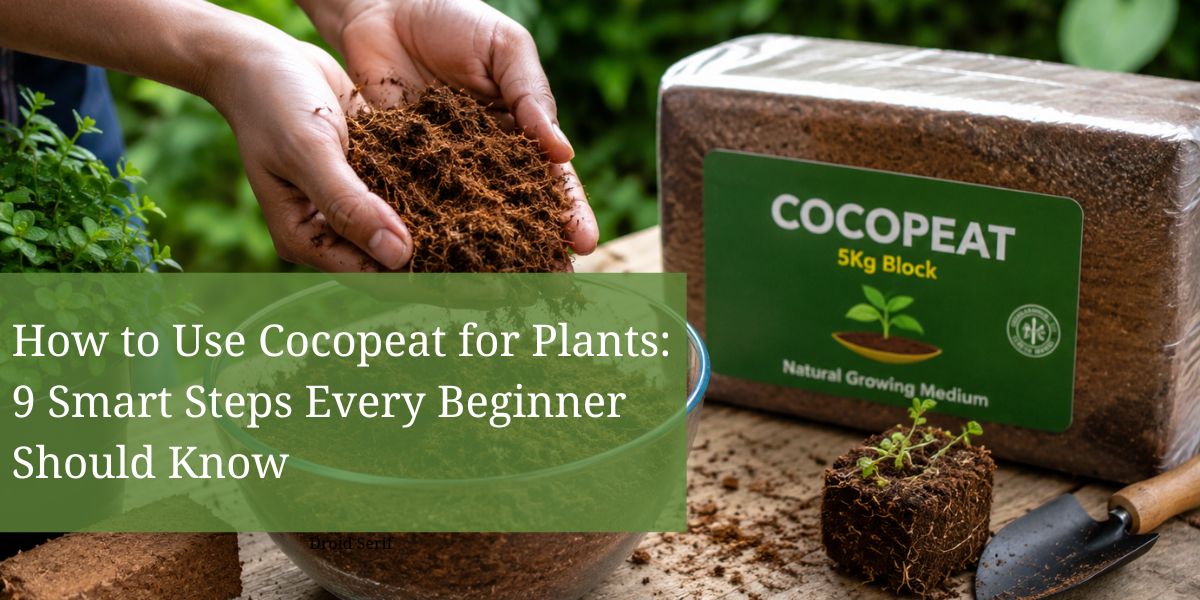

Gardening at home has become more than a hobby. It’s a practical way to grow fresh vegetables, herbs, and flowers while making better use of limited space. One material that has become very popular among home gardeners is Cocopeat because it improves moisture retention and root health.
If you’re wondering how to use cocopeat for plants, the process is simple once you understand the basics. Whether you’re growing flowers on a balcony or vegetables in a terrace garden, cocopeat can help create a healthier environment for roots.
What Is Cocopeat?
Cocopeat is made from coconut husk fibers. It is processed into blocks, dried, and sold as a compressed growing medium. Once water is added, it expands into a fluffy texture ideal for planting.
A popular format is the Cocopeat 5kg Block, which expands significantly after soaking and can support multiple pots or seed trays. Many home gardeners choose a Cocopeat 5kg Block because it’s easy to store and lasts longer.
Why Cocopeat Is Useful for Gardening
The biggest reason gardeners choose cocopeat is its ability to hold water while still allowing roots to breathe. This is especially useful in warm climates where potting soil dries quickly.
Benefits include:
- Retains moisture for longer
- Improves root aeration
- Lightweight and easy to handle
- Helps reduce soil compaction
- Suitable for indoor and outdoor plants
These are some of the main cocopeat uses in gardening, especially for container plants and seedlings.
Step 1: Rehydrate the Cocopeat Block
Most cocopeat comes compressed. Before using it, soak it in water.
Process:
- Place the block in a large tub
- Add clean water slowly
- Leave for 20–30 minutes
- Break apart the fibers
- Fluff it by hand
A single Cocopeat 5kg Block can expand into a substantial volume, making it economical for household gardening.
Step 2: Mix It With Soil
Pure cocopeat is excellent for moisture but lacks nutrients. For most plants, mix it with compost and soil.
Recommended ratio
| Material | Percentage |
| Garden Soil | 40% |
| Compost | 30% |
| Cocopeat | 30% |
This mix gives roots both drainage and nutrition.
Step 3: Use for Seed Starting
Cocopeat is ideal for seed germination because it stays moist and soft.
Use it for:
- Tomato seedlings
- Chilli seedlings
- Herbs
- Leafy vegetables
Many commercial nurseries use a Cocopeat 5kg Block to prepare trays due to its consistency.
Step 4: Potting Indoor Plants
Indoor plants benefit from cocopeat because pots dry out faster inside homes.
Best for:
- Snake plants
- Peace lilies
- Money plants
- Herbs
Add drainage holes to prevent overwatering.
Step 5: Use for Vegetable Gardening
Vegetable growers use cocopeat to improve texture and reduce water stress.
Popular vegetables:
- Tomato
- Chilli
- Spinach
- Coriander
- Brinjal
For related agricultural products, many businesses connected with vegetable export also source quality growing media for commercial farming.
Step 6: Fertilize Regularly
Cocopeat itself has little nutrition. Add:
- Organic compost
- Vermicompost
- Liquid fertilizer
Feed every 15–20 days.
Step 7: Watch Moisture
Cocopeat holds water very well, so don’t overwater.
Signs of too much water:
- Yellow leaves
- Root rot
- Fungus gnats
Common Mistakes Beginners Make
Using only cocopeat
This causes nutrient deficiency.
Overwatering
Because it looks dry on top, many people add more water too soon.
Poor drainage
Always use holes in containers.
Best Plants to Grow in Cocopeat
Flowers
- Marigold
- Rose
- Petunia
Vegetables
- Tomato
- Chilli
- Coriander
Seed suppliers such as coriander seeds exporters often recommend cocopeat-based nursery trays for early-stage growth.
How to Store Cocopeat
Keep unused cocopeat in:
- Dry bags
- Covered bins
- Cool place
Avoid direct rain.
Buying Quality Cocopeat
When buying, choose low-salt, washed cocopeat from a trusted Cocopeat Block Supplier in India. Quality makes a noticeable difference in plant health.
For agricultural references, related industries include green chilli export and fresh potato exporters that often depend on nursery-grade growing inputs.
External Resource
For general horticulture information, Royal Horticultural Society (RHS) offers useful guidance on container growing and soil amendments.
Conclusion
Learning how to use cocopeat for plants can improve your gardening success quickly. It keeps roots healthy, holds moisture, and makes container gardening easier. Start with one pot, test the mix, and adjust based on plant response.
For beginners, a Cocopeat 5kg Block is often the easiest way to begin. It’s simple, practical, and works well for flowers, vegetables, and indoor plants alike.
Frequently Asked Questions
1. Can I use cocopeat alone?
It’s possible, but adding compost and soil gives better results.
2. How long does cocopeat last?
Usually 2–3 years depending on use.
3. Is cocopeat safe for vegetables?
Yes, it’s widely used in vegetable cultivation.
4. How much water does it absorb?
A compressed block expands many times after soaking.
5. Can it be reused?
Yes, after washing and drying.
6. Is cocopeat better than soil?
It complements soil rather than replacing it completely.