


Growing a cashew plant in India is becoming increasingly popular among farmers and home growers because it requires minimal maintenance and offers good commercial value. If you want to start growing cashew trees at home or on a farm, the first step is choosing healthy seedlings and suitable land conditions.
The cashew plant in India thrives in warm temperatures, well-drained soil, and low humidity. Beginners often worry about soil preparation, watering, and pest attacks, but the solution is simple: prepare the soil with organic compost, maintain proper watering cycles, and prune the plant regularly. Learning the right techniques can help you grow healthier cashew trees and boost nut yield successfully.
The cashew plant in India is highly adaptable, drought-resistant, and can survive in semi-arid climates, making it ideal for tropical regions. When starting your journey with the cashew plant in India, focus on selecting high-quality saplings and nurturing them properly during the first year.
Did You Know ?
The cashew plant in India can survive in dry and semi-arid climates, making it one of the most drought-resistant fruit trees to grow?
Climate and Location Requirements
Cashew plants grow best in tropical and coastal regions where temperatures remain between 20°C to 30°C year-round. They prefer areas with dry weather during the flowering stage because moisture can damage the flowers, reducing nut formation. Plant cashews in regions protected from strong winds, as this may break young branches and affect growth.
Farmers often choose states like Andhra Pradesh, Kerala, Tamil Nadu, Goa, Karnataka, and Maharashtra for commercial plantation. If you live in a humid zone, ensure proper spacing to maintain air circulation. Many nurseries offer Cashew nut plants for sale, helping beginners start their plantation with disease-resistant varieties.
Where to Buy Healthy Cashew Plants
When planning to Buy Cashew plant online, ensure the seller offers certified and disease-free saplings. Online nurseries allow you to compare plant varieties and choose based on climate compatibility and growth rate. Look for user reviews, delivery reputation, and packaging safety. A reliable online seller will include plantation instructions and care guidelines for your convenience.
Soil Conditioning and Preparation
Cashew trees grow well in sandy-loamy, red, or laterite soil. The soil must be well-drained to prevent waterlogging, which may cause fungal roots, especially during monsoon months. Before planting, till the soil thoroughly and remove weeds or stones. Mix organic compost to improve fertility. Avoid heavy clay soil because it holds excess moisture. Cashew trees can grow in slightly acidic soil with a pH between 5.5 and 7.0. If your soil lacks nutrients, apply organic matter once every two months during the initial growth stage for better performance.
Cashew plantations also connect with the cashew manufacturing plant in India industry, as high-yield farms supply raw materials to processing factories. This creates profitable opportunities for farmers in rural regions.
Planting Cashew Saplings
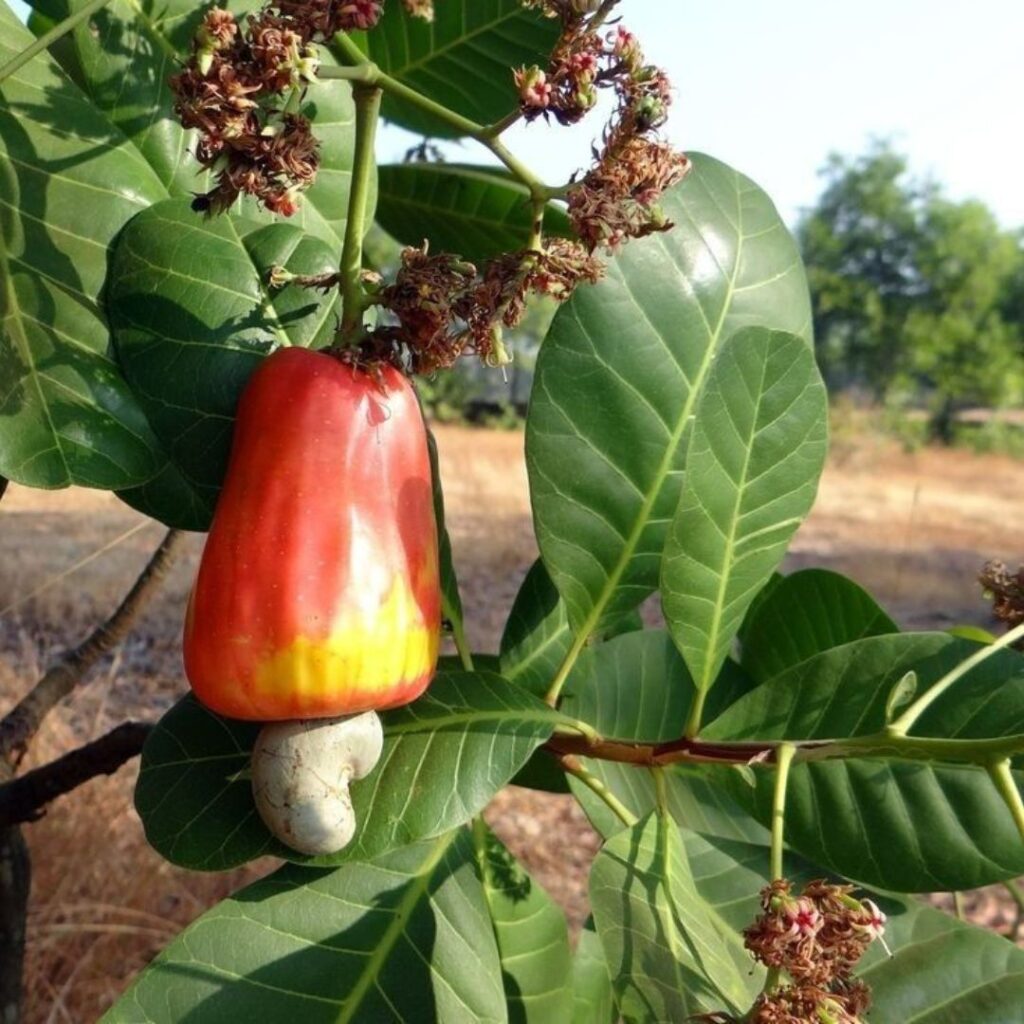
Cashew saplings should be planted at the beginning of monsoon so that natural rainfall supports early root development. Dig a pit of around 60 cm in depth and width. Fill it with compost, garden soil, and sand for aeration. Place the sapling in the center and cover the roots carefully without damaging them. Compress the soil lightly so the plant stands upright. Maintain spacing of 7 to 10 meters between each plant because cashew trees spread widely as they mature. Once planted, water the saplings gently.
Farmers often grow Guava Fruit Plant along with cashew trees because both thrive in similar environments and reduce the risk of soil depletion.
Watering and Feeding Schedule
Cashew plants require moderate watering, especially during the initial months. Water once a week or whenever the soil feels dry to the touch. Avoid overwatering because it leads to root rot. Once mature, cashew plants become drought-tolerant. Newly planted saplings need mulching to retain moisture and prevent weed growth.
To enrich the soil naturally, farmers prefer using Bio compost organic fertilizer. Organic fertilizers improve soil texture, boost beneficial microbes, and help the plant absorb nutrients more efficiently without chemical residue.
Caring for Cashew Plants Throughout the Year
Cashew plants need basic pruning to remove dry, diseased, or overgrown branches. This helps sunlight reach inner leaves and improves the overall health of the plant. Spray neem oil occasionally to control fungal infections and pests. If you are planning large-scale farming, consult expert agronomists about disease-resistant varieties. Also, maintain clean surroundings to prevent pest accumulation. Cashew plant growing becomes easier when regular health monitoring is performed from the second year onward.
Some growers choose Cocopeat 5kg blocks exporter products to improve soil aeration, especially in pots or nursery beds. Cocopeat retains moisture while keeping soil loose.
Using Cocopeat for Better Plant Results
When learning how to use cocopeat for plants, soak the cocopeat block in water to expand it. Then, mix with garden soil and compost in equal proportions. This method improves drainage, prevents soil hardening, and supports stronger root growth. Cocopeat bio-mix is ideal for seedling trays or early-stage saplings.
Flowering and Nut Formation
Cashew plants bloom during the winter months. The flowers are delicate and require dry weather to pollinate properly. Excess rain or humidity may spoil flowers. Once pollinated, cashew nuts develop below cashew apples. The nut hardens gradually and must be harvested once fully matured. Do not harvest early, as immature nuts produce poor kernel quality.
Harvesting Cashew Nuts
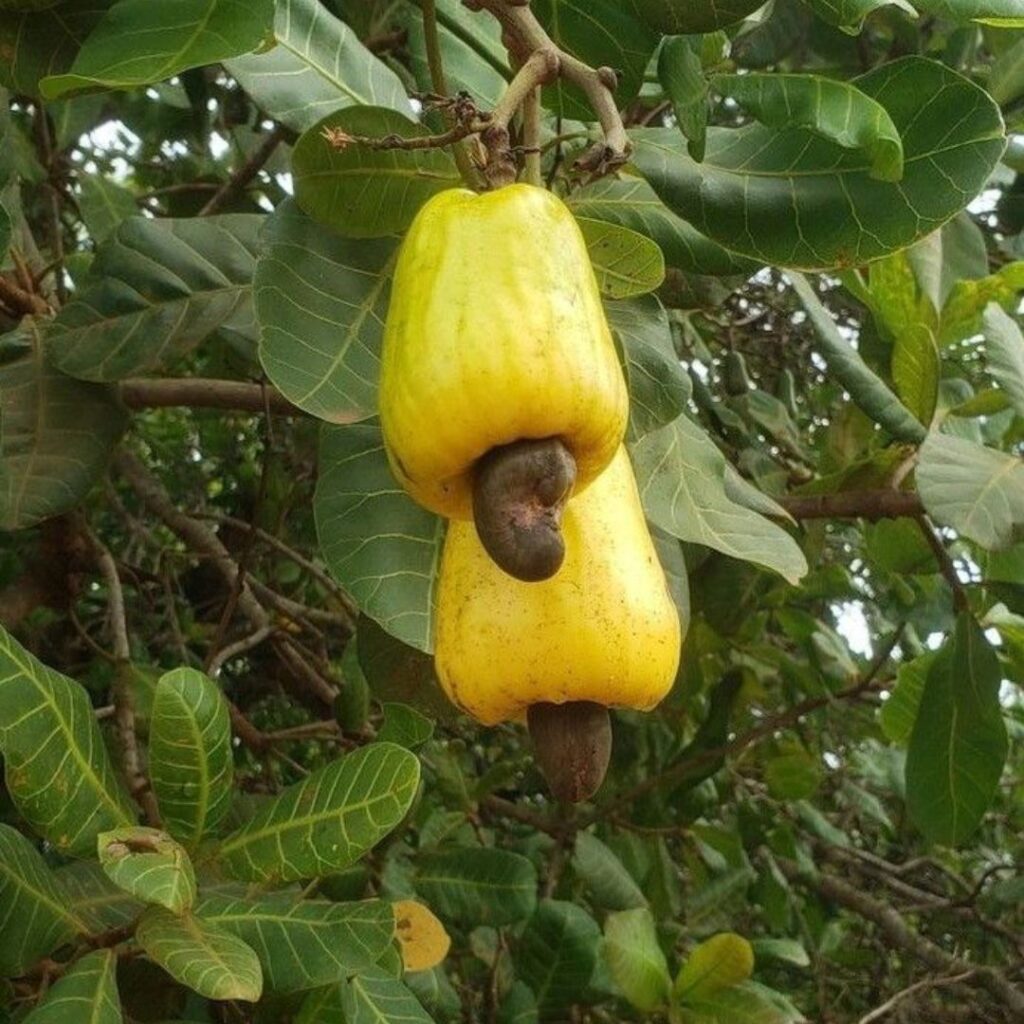
Harvesting usually begins around February to May. Once the cashew apple falls to the ground naturally, collect the nuts. Separate them carefully and allow the nut shell to dry under the sun for a few days. After drying, nuts can be processed further at factories or manually at home. Proper drying ensures improved quality, crispness, and longer shelf life.
Many farmers supply nuts to bulk organic fertilizer suppliers from India because cashew shells are used as raw material for manure and industrial products.
Common Problems and Solutions
Cashew plants may suffer from fungal infections, pest attacks, flower drop, or nutrient deficiency. Inspect the leaves regularly. Maintain proper spacing to improve airflow. Apply organic solutions like neem oil spray or seaweed extract. Check soil moisture regularly during hot summers. Once established, the cashew plant is resilient and grows well without excessive care.
Cashew plantations are also supported by the growing demand for organic agricultural products globally, increasing export and earning opportunities.
Can Cashew Plants Grow in Pots?
Yes, cashew plants can be grown in large pots, but ensure the container has good drainage holes. Use a mixture of sand, compost, and cocopeat. Keep the pot in full sunlight and water moderately. Pruning helps control height and shape. Potted cashew plants may produce smaller yields but still serve as decorative and functional home garden trees.
Start your cashew farm today for long-term natural profits
The cashew plant in India offers profitable farming opportunities due to its high demand in domestic and export markets. With proper soil preparation, watering, care, and pest management, your cashew plantation can thrive for many years. Beginners can start with just a few saplings and gradually expand once they gain confidence.
If you are ready to start cashew cultivation successfully, explore trusted nurseries for healthy saplings, use quality organic fertilizers, and follow the right care methods from the beginning. Start your plantation today and enjoy long-term returns from nature.
Read More Blogs:-
Key Takeaways
Here are some important points to remember for successful cashew cultivation
- Choose disease-free saplings for plantation
- Plant cashew trees in well-drained sandy-loam soil
- Maintain spacing to allow proper airflow
- Prune regularly to remove weak branches
- Avoid excess watering to prevent root rot
- Apply organic compost for nutrient improvement
- Harvest only when nuts fall naturally for best quality
Frequently Asked Questions
Q1. How to plant cashew tree ?
Plant the cashew tree in a sunny location with well-drained soil. Dig a pit, mix compost, and water the plant weekly until established.
Q2. How to grow cashew plant ?
Cashew grows best in warm tropical climates. Use organic fertilizers, prune regularly, and provide moderate watering for healthy growth.
Q3. How to plant cashew ?
Plant cashew saplings at the start of monsoon, maintain soil aeration, and avoid waterlogging during the rainy season.
Q4. What plant do cashews come from ?
Cashews come from the cashew tree, which produces both cashew apple and cashew nut attached externally to the apple.
Q5. How to grow cashew plant from seed ?
Collect mature nuts, dry them, and germinate seeds by sowing them in nutrient-rich soil mixed with compost. Keep in sunlight for best results.