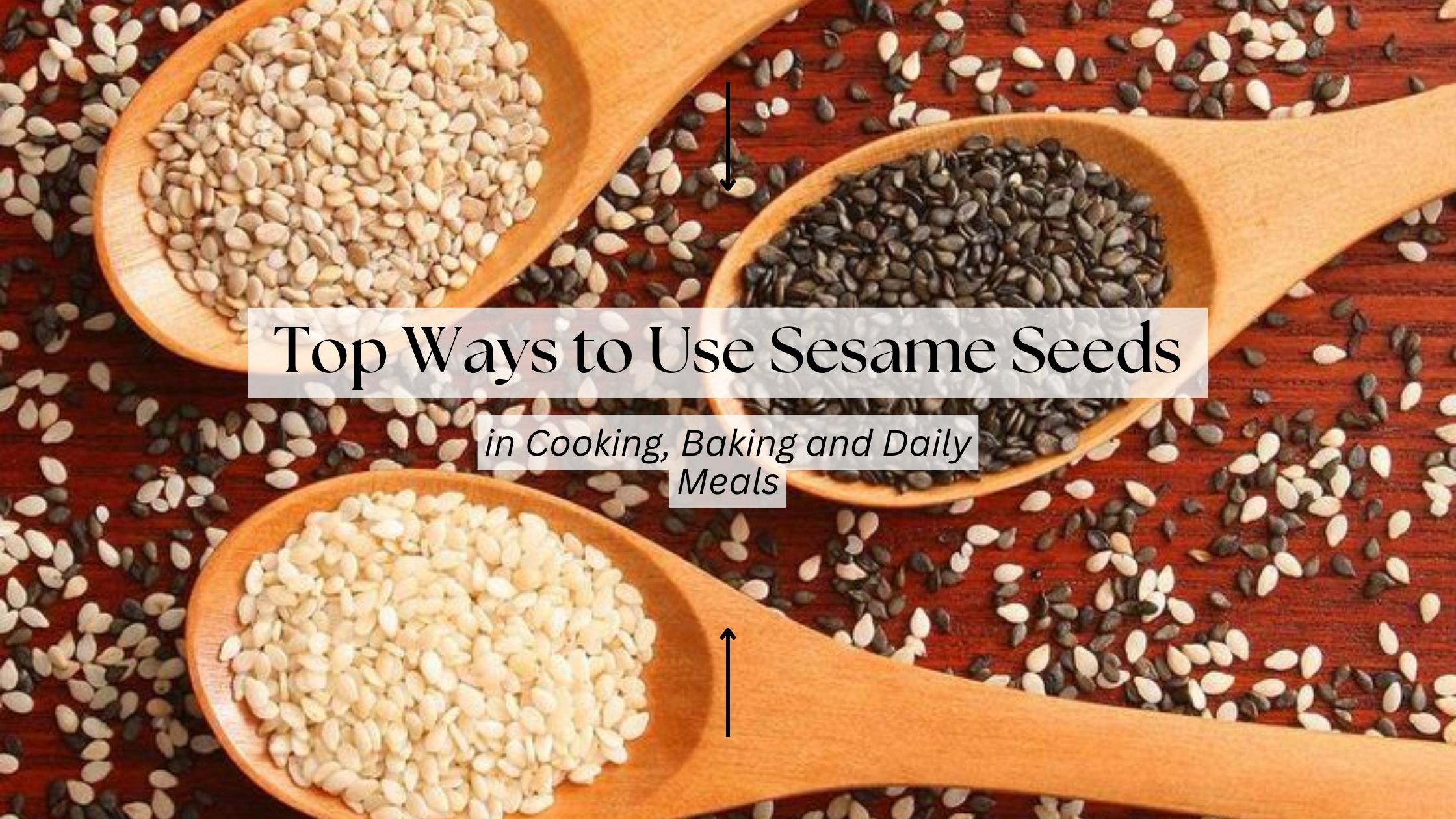

Sesame seeds are one of the oldest culinary ingredients used around the world. They are tiny, nutrient-rich seeds that offer a nutty flavor and crunch to various dishes. Many home cooks are learning how to use sesame seeds effectively in everyday meals, from salads and sauces to baked goods and snacks. Apart from taste, sesame seeds are highly nutritious and can improve overall health when consumed regularly.
If you want to buy quality seeds for your kitchen, you can find sesame seeds online from trusted suppliers. Using good quality seeds ensures better flavor, aroma, and nutritional benefits in your daily meals.
Did you know ?
Lightly roasting sesame seeds can increase their aroma and improve the absorption of important minerals like calcium and magnesium.
1. Culinary Uses of Sesame Seeds
Sesame seeds have a wide range of culinary uses of sesame seeds. They can be incorporated into both sweet and savory recipes. For example, adding sesame seeds to salads, stir-fries, and soups enhances flavor and texture. You can also use them as a topping for bread, bagels, and crackers. Toasting the seeds before use intensifies their nutty aroma and makes them more appealing in dishes.
Many chefs also grind sesame seeds to make tahini, which is a key ingredient in Mediterranean and Middle Eastern recipes. Tahini can be used in dressings, dips, or even dessert recipes, giving a smooth and creamy texture with a distinct nutty taste.
2. Using Sesame Seeds in Baking
Sesame seeds are perfect for baking. You can sprinkle them on bread loaves, muffins, cookies, and even cakes to add a delicate crunch. Roasted sesame seeds uses in baked goods enhance both the taste and the nutritional value of the recipes. Combining sesame seeds with honey or sugar creates a healthy topping for various pastries and bars. Incorporating these seeds into homemade granola or energy bars is another great option for daily consumption.
Baking with sesame seeds is also a creative way to include them in children’s diets without compromising taste or health benefits. Many home cooks who also learn how to grow coriander from seeds experiment with sesame seeds to create flavorful and nutrient-dense dishes.
3. Adding Sesame Seeds to Daily Diet
To enjoy the health benefits of sesame seeds, it is important to know how to add sesame seeds in daily diet. Here are some practical ways:
- Sprinkle sesame seeds on morning oatmeal or cereal
- Mix seeds into smoothies or yogurt
- Add roasted seeds to salad bowls
- Incorporate them into sandwiches or wraps
- Use sesame seeds as a topping for cooked vegetables
Consuming sesame seeds regularly can boost calcium, magnesium, and healthy fats in your diet. This makes them an excellent choice for people looking for natural ways to improve bone health and overall wellness.
4. Health Benefits of Sesame Seeds
Learning benefits of using sesame seeds in cooking can motivate you to include them more often. Sesame seeds are packed with antioxidants, vitamins, and minerals that support heart health, improve digestion, and strengthen bones. They also contain sesamol and sesamin, compounds that have anti-inflammatory properties and may help lower cholesterol. Using sesame seeds in cooking and baking is a simple way to integrate these health-promoting nutrients into everyday meals.
Some traditional medicine practices also recommend sesame seeds for improving hair and skin health, as the nutrients are easily absorbed when seeds are roasted or lightly ground.
5. Roasted Sesame Seeds Uses
Roasting sesame seeds enhances their nutty flavor and makes them more digestible. You can use roasted seeds in:
- Sprinkling on rice or noodles for extra crunch
- Adding to stir-fries or sautéed vegetables
- Mixing into homemade granola or trail mix
- Using as a topping for hummus, soups, or dips
- Incorporating into sweet treats like sesame brittle or halwa
Roasted sesame seeds uses not only elevate taste but also make nutrients more bioavailable, providing greater health benefits. Some gardeners who use coconut husk for plants and organic compost also incorporate sesame seeds in healthy recipes for complete home nutrition.
6. Using Sesame Seeds for Health and Recipes
Knowing how to use sesame seeds for health and recipes helps you create meals that are both delicious and nutritious. Sesame seeds can be ground into pastes, sprinkled as toppings, or added whole to meals. Combining sesame seeds with healthy oils or incorporating them into sauces ensures that you get maximum benefits.
Additionally, sesame seeds pair well with spices, nuts, and grains, making them ideal for creating wholesome meals and snacks. Many organic agricultural products suppliers recommend sesame seeds for both flavor and health benefits in daily diets.
7. Creative Meal Ideas with Sesame Seeds
You can experiment with sesame seeds in various meals. For breakfast, add them to toast, porridge, or pancakes. At lunch, sprinkle seeds on salads or rice dishes. For dinner, use sesame seeds in stir-fried vegetables, grilled meats, or tofu dishes. Sesame seeds are also great for making energy balls or homemade crackers, adding both crunch and nutrition.
Even home gardeners who purchase seeds from top 10 vegetable seed companies in India find it helpful to grow complementary herbs and spices to use alongside sesame seeds in creative meals.
8. Tips for Using Sesame Seeds Daily
- Roast seeds lightly before use to enhance flavor
- Store in airtight containers to maintain freshness
- Grind seeds into powder for easier digestion
- Combine with other seeds like flax or chia for a nutrient boost
- Sprinkle on meals just before serving to preserve taste and nutrients
Using sesame seeds daily is simple and requires minimal effort, yet it offers significant health advantages.
Start adding sesame seeds to your meals today—buy quality seeds online or grow your own, and enjoy delicious, healthy, and nutrient-packed dishes every day!
Sesame seeds are versatile, nutritious, and easy to use in cooking, baking, and daily meals. By understanding how to use sesame seeds, you can incorporate them into breakfast, lunch, dinner, and snacks in creative ways. From roasted seeds on salads to ground sesame pastes in sauces, the options are limitless. Including sesame seeds in your diet not only enhances flavor but also supports overall health with essential nutrients.
Whether you buy seeds online or experiment with home-grown herbs like coriander, sesame seeds are a powerful addition to your kitchen. They complement healthy oils, grains, and vegetables to create balanced meals for the whole family.
Read More Blogs:-
Key Takeaways
- Sesame seeds can be used in cooking, baking, and daily meals in multiple ways.
- Roasting sesame seeds enhances flavor and makes nutrients more bioavailable.
- Adding sesame seeds to daily diet supports bone health, digestion, and heart health.
- Sesame seeds can be used as toppings, in pastes, or incorporated into desserts and snacks.
- Consistent use of sesame seeds boosts both flavor and nutrition in everyday meals.
Frequently Asked Questions
Q1. How do I use sesame seeds in daily cooking?
Sprinkle them on salads, stir-fries, rice, baked goods, or grind into pastes for sauces.
Q2. Are sesame seeds good for health?
Yes, they are rich in calcium, magnesium, antioxidants, and healthy fats.
Q3. Can I use sesame seeds in baking?
Absolutely, they can be added to bread, muffins, cookies, and crackers for flavor and crunch.
Q4. Should sesame seeds be roasted before use?
Roasting is recommended as it enhances flavor and nutrient availability.
Q5. How can I add sesame seeds to meals for children?
Mix them into porridge, smoothies, granola, or sprinkle on sandwiches and snacks