
Introduction
Gardening is evolving. More people are shying from chemical-heavy fertilizers and looking for greener, cheaper and safer alternatives. Organic gardening is no longer just a fad. It is becoming the norm. Recent reports on gardening show that sustainable gardening materials like coco coir and husk have been in demand as they improve soil health in a natural way and reduce waste. Coconut husk, often thrown away as agricultural waste, is now being accepted as a powerful soil conditioner and organic growing medium.
If you have ever wondered how to make fertilizer from coconut husk, you are in the right place. The outer shell of the coconut is a fibrous shell containing natural fibres, organic matter and valuable minerals such as potassium. While it may not replace a full fertilizer program, it can transform the way your soil behaves. Think of it like a sponge mixed with armor-it holds water while keeping roots protected and aerated.
In this guide, we’ll break down practical DIY methods, the benefits of coconut husk as fertilizer, the uses of coconut husk ash as fertilizer, and where businesses like Asia Flock fit into the supply chain as a trusted coconut husk exporter.
What Is Coconut Husk and Why Is It Valuable in Gardening?
Coconut Husk Composition Understanding
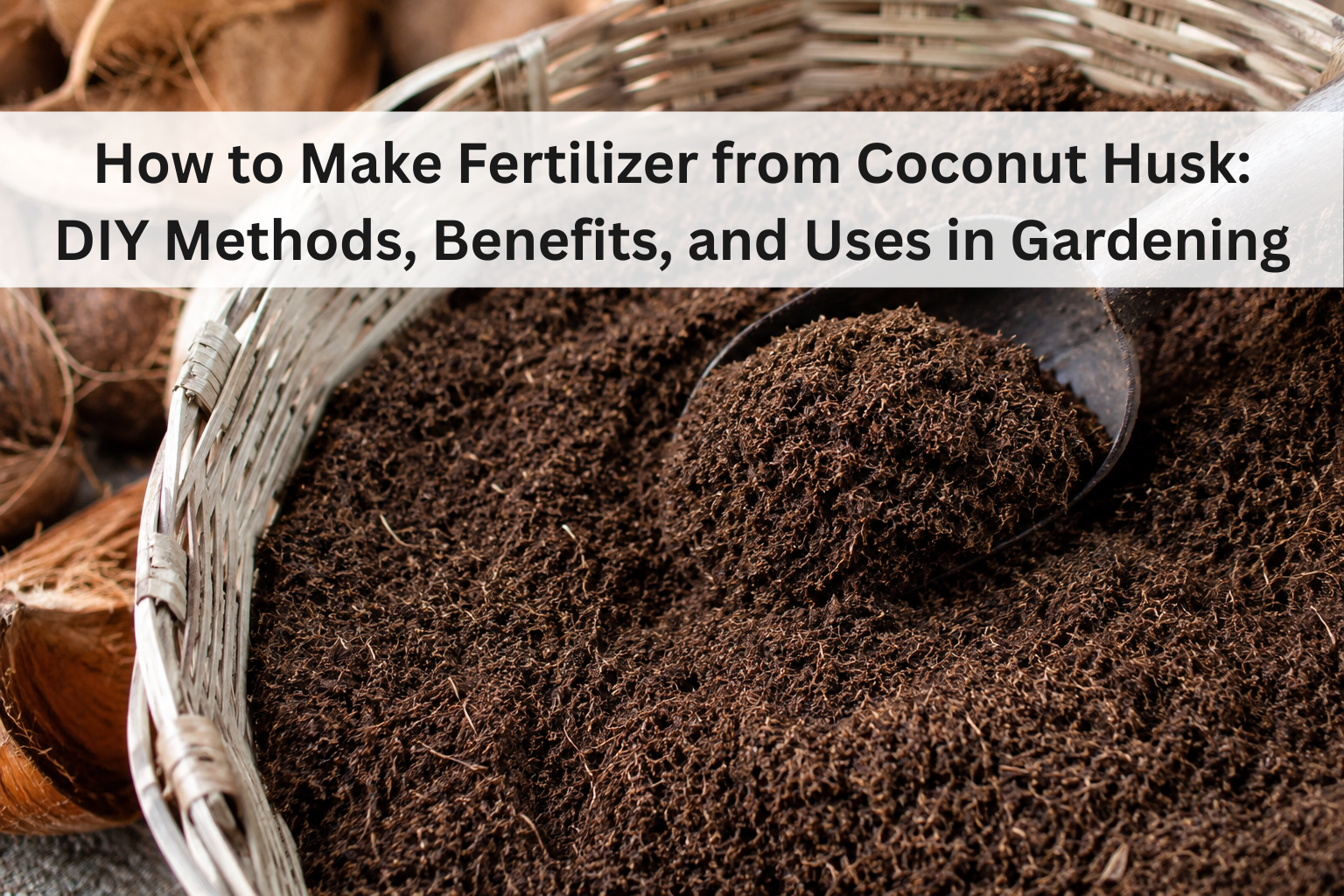
Coconut Husk is the thick outer layer that surrounds the hard shell of a coconut. It is mostly made of lignin and cellulose, which means it is very durable and breaks down slowly. And that’s why gardeners love it, because it breaks down so slowly that it stays in the soil longer, continuing to work over time.
Coconut husk is a renewable by-product, unlike peat moss that takes years to regenerate. Every coconut you pick, leaves husk, making it one of the most sustainable garden materials around. It also has traces of potassium, magnesium and sulphur, all of which help promote healthier plant growth. Research shows coconut husk has better moisture retention and can be used to improve oxygen levels in the root zone.
Why Gardeners Are Choosing Coconut Husk
What makes coconut husk so beautiful is its versatility. You can compost it, burn it to ash, shred it into mulch or mix it in with potting soil. That’s a lot of value from what was once wasted. Gardeners are now actively searching for the benefits of coconut husk for plants because it’s practical, affordable, and eco-friendly.
For companies like Asia Flock, clean and processed coconut products have become an essential part of supporting sustainable farming around the globe.
Is Coconut Husk Good Fertilizer?
The quick answer? Yes, but in context.
Coconut husk is not a complete fertilizer. It would not provide your plants with all the things they need like nitrogen-rich compost or balanced NPK fertilizer. But to call it ‘just waste’ is a big mistake.It acts like the backbone of healthy soil.
Its nutrient profile includes:
| Nutrient | Function |
| Potassium | Supports flowering and fruiting |
| Phosphorus | Helps root growth |
| Magnesium | Improves chlorophyll production |
| Organic Matter | Feeds beneficial microbes |
Coconut husk as fertilizer is powerful because of its ability to improve nutrient retention. Imagine putting water into a bucket with holes versus a sponge. Coconut husk makes your soil into that sponge.” Nutrients last longer, roots absorb better and watering is needed less often. Mixing it with either vermicompost or manure will produce the best results, experts say.
Key takeaway: Coconut husk as a support system is most effective, not as a sole source of nutrients.
Benefits of Using Coconut Husk as Fertilizer
Using coconut husk in your garden has more benefits than you might think. Firstly, it dramatically improves water retention. Some studies show that coconut husk can hold many times its own weight in water, which is huge for dry climates.
Other benefits include:
- Better root expansion
- Reduced weed growth when used as mulch
- Improved microbial life
- Lower watering frequency
- Sustainable waste recycling
This is why many commercial growers and every serious coconut husk exporter are seeing higher demand in the gardening market.
How to Make Fertilizer from Coconut Husk: 4 Easy DIY Methods
Method 1 – Composting Coconut Husk
This is the most effective way.
Materials Needed
- Chopped coconut husk
- Kitchen scraps
- Dry leaves
- Compost bin
- Water
Step-by-Step Process
- Cut the husk into smaller pieces.
- Mix it with nitrogen-rich green waste.
- Add dry leaves for balance.
- Keep it moist but not soggy.
- Turn every 10–14 days.
Because coconut husk has a high carbon ratio, it decomposes slowly. But mixed correctly, it creates nutrient-rich compost in 2–4 months. (Compost Check)
Method 2 – Coconut Husk Tea Fertilizer
This one is simple and quick.
Take shredded coconut husk and soak it in water for 24–48 hours. Strain the liquid and dilute it 1:3 before watering plants. This liquid contains mild nutrients and organic compounds that help seedlings.
Think of it like herbal tea for your plants-gentle, natural, and refreshing.
Best for:
- Seedlings
- Herbs
- Indoor plants
Method 3 – Using Coconut Husk Mulch
Shred the husk and spread it around plant bases. This locks moisture in and blocks weeds.
Mulching with coconut husk is especially useful in summer because it keeps the root zone cooler. It also slowly breaks down, adding organic matter over time.
Method 4 – Creating Biochar from Coconut Husk
Burn dried husk in a low-oxygen environment to create biochar. This carbon-rich material improves soil structure for years.
Mix it with compost before use because raw biochar can absorb nutrients initially.
This method is excellent for long-term soil fertility.
How to Use Coconut Husk as Fertilizer Effectively
Knowing how to use coconut husk as fertilizer matters as much as making it.
The best methods include mixing it directly into potting soil, using it in raised beds, or spreading it as mulch. The recommended ratio is 20–30% of the total potting mix. This balance ensures good water retention without making the soil too dense.
For container plants, combine:
- 40% soil
- 30% compost
- 20% coconut husk
- 10% sand
Refresh mulch every 3–4 months and add compost each growing season. This keeps the nutrient cycle active.
Coconut Husk Ash as Fertilizer: Benefits and Precautions
What Is Coconut Husk Ash?
When dried coconut husk is burned, the remaining ash contains concentrated minerals.
This is where coconut husk ash as fertilizer becomes interesting.
It’s rich in:
- Potassium
- Calcium
- Magnesium
- Trace minerals
Potassium is especially valuable because it improves flowering, fruit quality, and disease resistance.
Benefits of Coconut Husk Ash as Fertilizer
Ash can act as a fast nutrient booster. It’s especially useful for fruiting crops like tomatoes and peppers.
It can also help neutralize acidic soil.
Precautions
Too much ash can raise soil pH too high. That can block nutrient absorption. Always test your soil first and avoid direct application on seedlings.
Use lightly-think “seasoning,” not “main ingredient.”
What Plants Like Coconut Husk?
Some plants absolutely love coconut husk.
These include:
- Tomatoes
- Peppers
- Cucumbers
- Orchids
- Roses
- Mint
- Basil
- Spinach
These plants benefit from the moisture retention and loose soil texture.
Plants that need caution:
- Cacti
- Succulents
- Lavender
These prefer drier, faster-draining soil.
Coconut Husk as an Organic Fertilizer vs. Chemical Fertilizers
| Feature | Coconut Husk Fertilizer | Chemical Fertilizers |
| Soil Health | Improves over time | Can degrade soil |
| Water Retention | High | Low |
| Environmental Impact | Eco-friendly | High footprint |
| Nutrient Release | Slow and steady | Fast |
| Cost | Affordable | Expensive long-term |
Chemical fertilizers are like fast food-quick energy, but not always healthy long-term. Coconut husk is more like a balanced homemade meal. Slower, but stronger in the long run.
Where to Source Quality Coconut Husk for Gardening
Not all coconut husks are equal.
Some are loaded with salt, especially if processed near coastal areas. Always choose washed, untreated, and low-salt husk.
Look for:
- Low EC levels
- Clean processing
- Consistent moisture
- Proper shredding
For bulk gardening or farming, sourcing from a trusted supplier matters. Businesses like Asia Flock offer reliable coconut products, cocopeat, and processed husk for commercial growers.
If you’re searching for a dependable coconut husk exporter, always check processing standards before buying.
Common Mistakes to Avoid When Using Coconut Husk
Many beginners make avoidable mistakes.
One common mistake is using unwashed husks. High salt content can damage roots badly. Another is expecting instant results. Coconut husk is a slow-release material.
Overusing ash is another issue. Too much can throw soil pH off balance.
Also avoid:
- Using large chunks without shredding
- Mixing too much into heavy clay
- Ignoring nitrogen supplementation
Gardening is like cooking—good ingredients still need the right proportions.
Conclusion
Learning how to make fertilizer from coconut husk is one of the smartest ways to turn waste into something valuable. It’s sustainable, affordable, and practical for almost every type of gardener. Whether you compost it, brew it into tea, use it as mulch, or convert it into biochar, coconut husk improves soil structure, supports microbial life, and helps plants thrive naturally.
It may not replace all fertilizers, but it builds the foundation for healthier soil. And healthier soil always means healthier plants.
If you’re serious about organic gardening, starting with quality materials from a reliable coconut products company like Asia Flock Enterprises can make the process easier and more effective.
FAQs
How to use coconut husk as fertilizer?
Shred it and mix it into compost, soil, or use it as mulch around plants.
Is coconut husk a good fertilizer?
Yes, it works as an excellent organic soil conditioner and supports slow nutrient release.
What plants like coconut husk?
Tomatoes, peppers, orchids, herbs, roses, and tropical plants respond very well.
Can ash be used as fertilizer?
Yes, especially coconut husk ash as fertilizer, because it provides potassium and minerals.
Which fertilizer is called the king of fertilizer?
Nitrogen is commonly called the king because it drives leaf growth and chlorophyll production.