
Growing vegetables successfully depends on choosing the right growing medium. For decades, traditional soil has been the standard choice for home gardens and farms. However, modern gardeners are increasingly exploring cocopeat as an alternative.
Many people now search for how to grow vegetables in cocopeat because it offers excellent water retention, aeration, and a cleaner growing environment. But is cocopeat better than soil for vegetable gardening? This guide explains the differences, benefits, and the best method for growing vegetables using cocopeat.
Key Takeaways
- Cocopeat is a lightweight and eco-friendly growing medium.
- It provides excellent aeration and moisture retention.
- Nutrient supplementation is necessary when using cocopeat.
- Cocopeat is ideal for container gardening and urban farms.
- Many vegetables grow successfully in cocopeat-based systems.
Many commercial greenhouse farms and hydroponic systems around the world use cocopeat instead of soil.
What is Cocopeat?
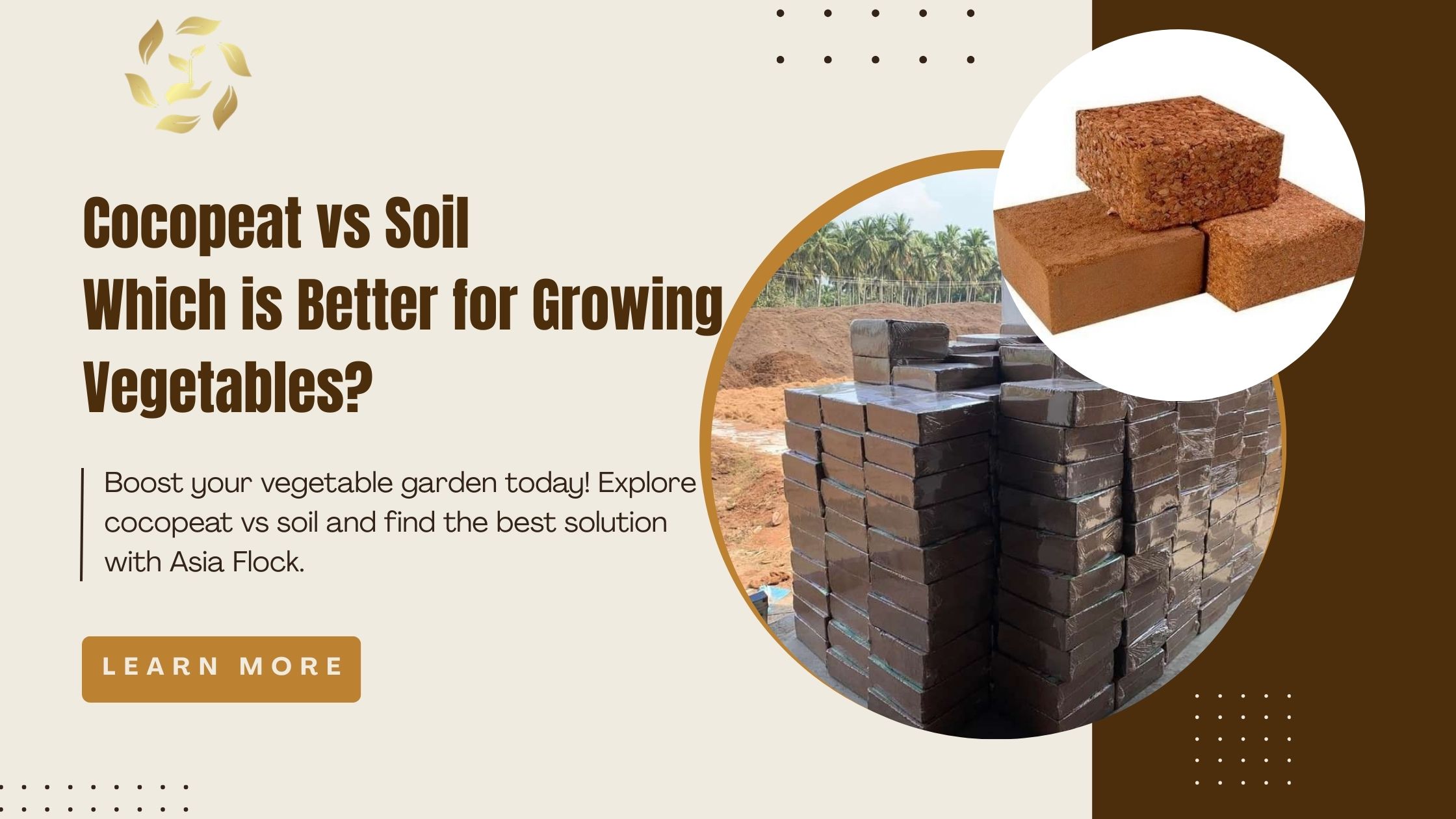
Cocopeat is a natural growing medium made from coconut husk fibers. It is widely used in gardening, hydroponics, and commercial agriculture because of its excellent moisture-holding capacity and lightweight structure.
Unlike traditional soil, cocopeat is sterile and free from harmful pathogens. This makes it ideal for seed germination and container gardening.
Cocopeat vs Soil: Key Differences
Understanding the differences between cocopeat and soil helps gardeners choose the best option.
| Feature | Cocopeat | Soil |
| Water retention | Very high | Moderate |
| Aeration | Excellent | Depends on soil type |
| Weight | Lightweight | Heavy |
| Nutrients | Low natural nutrients | Naturally contains nutrients |
| Pest risk | Very low | Higher risk |
Soil naturally contains nutrients required for plant growth. Cocopeat, on the other hand, acts as a growing medium and requires nutrient supplementation.
How to Grow Vegetables in Cocopeat
Learning how to grow vegetables in cocopeat is simple if you follow the right steps. Many home gardeners prefer cocopeat because it improves root development and reduces soil-borne diseases.
Step 1: Prepare the Cocopeat
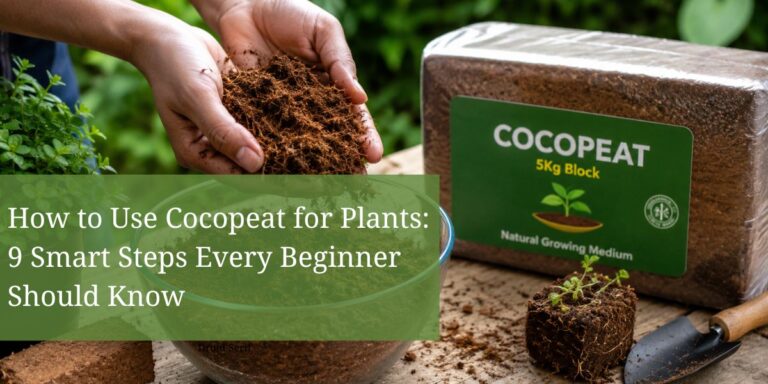
If using compressed cocopeat blocks, soak them in water for several hours. The block expands into soft and fluffy material suitable for planting.
For beginners who want a complete guide, you can also explore resources on how to use cocopeat for plants to understand preparation techniques.
Step 2: Add Nutrients
Cocopeat does not contain sufficient nutrients for plant growth. Mix it with compost, vermicompost, or organic fertilizers.
You can also use specialized plant growth promoter products to enhance root development and plant health.
Step 3: Fill Containers or Pots
Cocopeat works best for container gardening. Fill pots or grow bags with the prepared medium.
This method is ideal for growing vegetables in cocopeat pots, especially in balconies, terraces, and small urban gardens.
Step 4: Sow Vegetable Seeds
The next step is understanding how to plant vegetable seeds in cocopeat.
Follow these simple steps:
- Fill seed trays or pots with cocopeat.
- Place seeds about half an inch deep.
- Cover lightly with cocopeat.
- Water gently to keep the medium moist.
Cocopeat promotes faster seed germination due to its excellent aeration.
Can Vegetables Grow in Cocopeat Without Soil?
A common question among gardeners is can vegetables grow in cocopeat without soil.
Yes, vegetables can grow in cocopeat alone if proper nutrients are supplied. Cocopeat acts as a support medium for roots, while fertilizers provide the necessary nutrients.
Many hydroponic and soilless farming systems use cocopeat as the primary growing medium.
However, for beginners, mixing cocopeat with compost or garden soil often produces better results.
Best Vegetables to Grow in Cocopeat
Several vegetables grow well in cocopeat-based growing systems.
Popular options include:
- Tomatoes
- Cucumbers
- Spinach
- Lettuce
- Peppers
- Chili plants
- Coriander
Leafy vegetables respond particularly well to cocopeat because of its moisture retention properties.
Advantages of Using Cocopeat for Vegetable Gardening
Cocopeat offers several benefits compared to traditional soil.
Better aeration
Roots receive more oxygen, improving plant growth.
Excellent water retention
Plants remain hydrated longer.
Lightweight structure
Perfect for terrace gardens and containers.
Disease-free medium
Reduces risk of soil-borne diseases.
For gardeners who prefer convenience, it is also easy to buy cocopeat online and prepare it quickly for planting.
Limitations of Cocopeat
Despite its advantages, cocopeat has a few limitations.
Low nutrient content
Additional fertilizers are required.
Regular monitoring needed
Nutrient levels must be maintained.
Water management
Overwatering may occur due to high retention.
Proper nutrient supplementation solves most of these issues.
Cocopeat in Modern Agriculture
Cocopeat has become increasingly popular in commercial agriculture. It is widely used in greenhouse farming, hydroponic cultivation, and urban gardening.
India is also a major supplier of cocopeat products globally, contributing significantly to agricultural products exported from india. This highlights the growing importance of cocopeat in sustainable agriculture.
Cocopeat or Soil: Which is Better?
Both cocopeat and soil have their advantages.
Soil works well for traditional gardens where nutrients are naturally available. Cocopeat performs better in controlled environments such as containers, greenhouses, and hydroponic systems.
Many experienced gardeners combine both mediums to achieve the best results.
If you want to improve vegetable gardening results with a cleaner and more efficient growing medium, start using cocopeat today. Explore high-quality cocopeat solutions and advanced plant care products to support healthier and more productive vegetable plants.
Frequently Asked Questions
Q1. How to grow vegetables in cocopeat at home?
Prepare cocopeat by soaking it in water, mix it with compost, fill containers, and sow vegetable seeds at the recommended depth.
Q2. Can vegetables grow in cocopeat without soil?
Yes, vegetables can grow in cocopeat alone if proper nutrients and fertilizers are added.
Q3. Is cocopeat better than soil for vegetable gardening?
Cocopeat is better for container gardening due to its aeration and water retention, while soil is better for natural outdoor gardens.
Q4. Which vegetables grow best in cocopeat?
Tomatoes, cucumbers, lettuce, spinach, peppers, and herbs grow very well in cocopeat.
Q5. How often should plants be watered in cocopeat?
Watering depends on plant type, but cocopeat retains moisture well, so watering is usually required less frequently than soil.