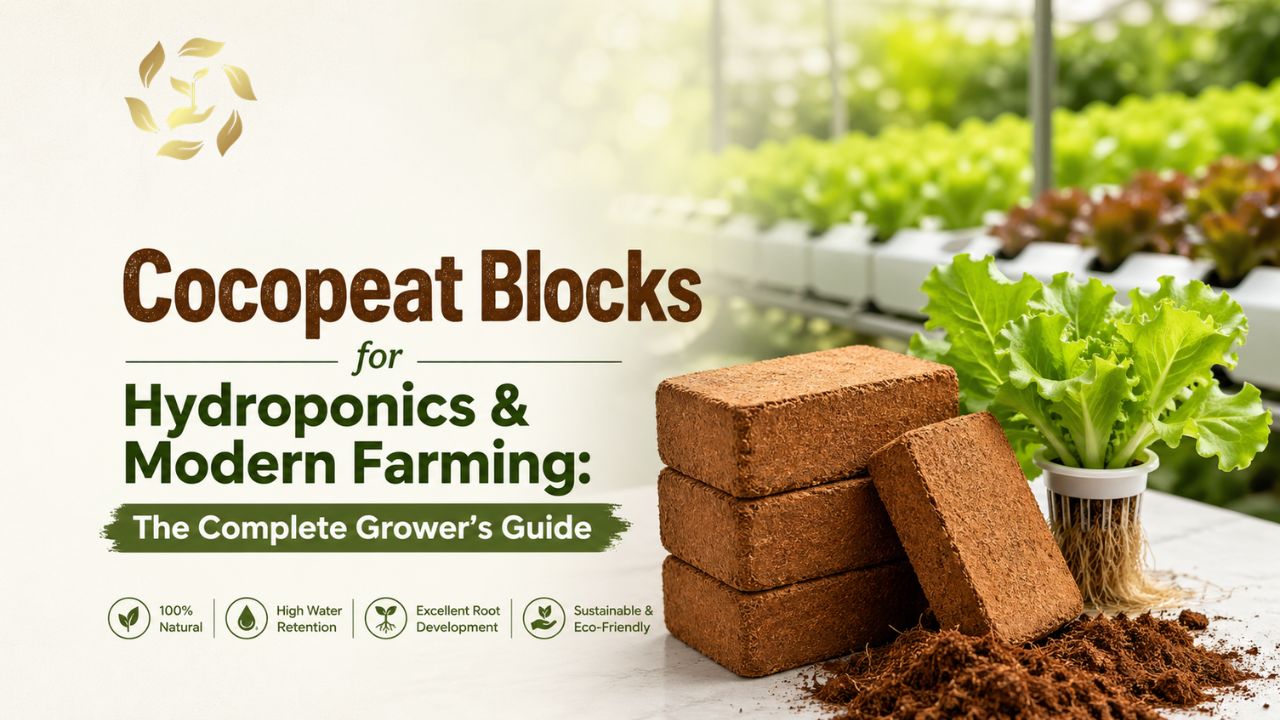

Modern agriculture is evolving rapidly, and growers are shifting toward sustainable and efficient solutions. One such game-changing innovation is cocopeat blocks for hydroponics. Known for their excellent water retention, aeration, and eco-friendly nature, cocopeat blocks are becoming a preferred growing medium for farmers, gardeners, and hydroponic growers worldwide.
In this guide, you’ll learn everything about cocopeat blocks, their benefits, and how to use them effectively in modern farming.
Why Cocopeat Blocks for Hydroponics Are a Smart Choice
Using cocopeat blocks for hydroponics offers a perfect balance between water retention and oxygen supply to plant roots. Unlike traditional soil, cocopeat provides a clean, pest-free, and reusable medium.
Key benefits include:
- Excellent moisture retention
- Improved root aeration
- Lightweight and easy to handle
- Suitable for all hydroponic systems
These advantages make cocopeat ideal for growing vegetables, herbs, and fruits in controlled environments.
Cocopeat Growing Medium: The Backbone of Modern Farming
A high-quality cocopeat growing medium is essential for healthy plant growth. Made from coconut husk fibers, cocopeat is a renewable resource that supports sustainable agriculture.
Why growers prefer cocopeat:
- Maintains optimal pH levels
- Enhances nutrient absorption
- Promotes faster root development
- Reduces water usage
This makes it highly effective for both hydroponics and traditional farming methods.
How to Use Cocopeat Blocks Effectively
Understanding how to use cocopeat blocks is crucial for achieving the best results.
Follow these simple steps:
- Place the compressed block in a container
- Add water slowly (about 4–5 liters per kg)
- Allow it to expand fully
- Break and fluff the material
- Mix with nutrients if required
Once expanded, cocopeat is ready for planting or use in hydroponic systems.
Cocopeat vs Peat Moss: Which One is Better?
When comparing cocopeat vs peat moss, cocopeat clearly stands out as a more sustainable and efficient option.
| Feature | Cocopeat | Peat Moss |
| Sustainability | Renewable | Non-renewable |
| Water Retention | High | Moderate |
| pH Level | Neutral | Acidic |
| Environmental Impact | Eco-friendly | Harmful harvesting |
Cocopeat is not only better for plants but also for the environment, making it the preferred choice for modern growers.
Organic Cocopeat Blocks: A Sustainable Farming Solution
Organic cocopeat blocks are processed without harmful chemicals, making them ideal for organic farming practices. These blocks are safe, biodegradable, and environmentally friendly.
Benefits of organic cocopeat:
- Free from harmful substances
- Supports organic certification
- Improves soil health
- Reduces dependency on chemical inputs
They are widely used in organic vegetable farming and greenhouse cultivation.
Cocopeat 5kg Blocks: Ideal for Large-Scale Growing
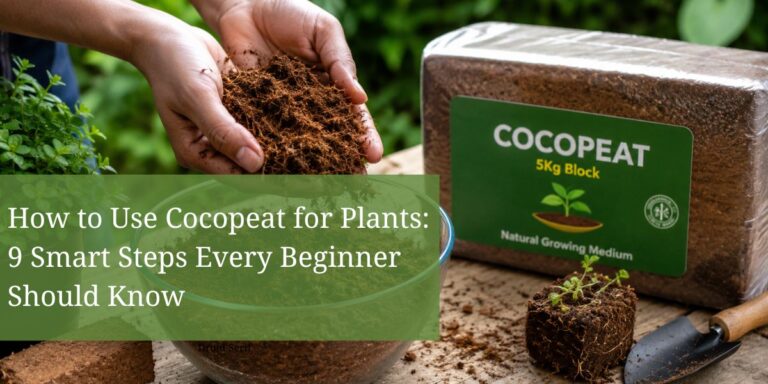
One of the most popular options in the market is Cocopeat 5kg blocks. These compressed blocks are easy to transport and expand significantly when hydrated.
They are perfect for:
- Commercial hydroponic farms
- Greenhouses
- Nurseries and landscaping
How to Use Cocopeat Block for Best Results
If you’re wondering how to use cocopeat block, the key is proper hydration and preparation. Always ensure the block is fully expanded and evenly moist before planting to achieve uniform growth.
How to Use Cocopeat for Plants in Daily Gardening
Learning how to use cocopeat for plants can greatly improve plant health. You can mix cocopeat with soil or use it alone in hydroponic systems for better root development and moisture control.
The Role of Cocopeat in Modern Farming
Cocopeat is transforming agriculture by offering a sustainable alternative to soil. It supports water conservation, reduces environmental impact, and increases crop productivity.
From hydroponics to greenhouse farming, cocopeat is becoming an essential component of modern agriculture systems.
Looking to upgrade your farming with premium cocopeat blocks for hydroponics?
Asia Flock offers high-quality cocopeat products designed for modern agriculture and global standards. Whether you need bulk supply or customized solutions, we’ve got you covered.
Contact Asia Flock today and take your farming to the next level with sustainable growing solutions!
Also Read This Blog:-
Coconut Husk for Plants: The Secret to Healthier, Eco-Friendly Gardening
Key Takeaways
- Cocopeat blocks for hydroponics provide excellent water retention and aeration
- Cocopeat is a sustainable and eco-friendly growing medium
- Organic cocopeat supports chemical-free farming
- Easy to use and suitable for both beginners and professionals
- Ideal for hydroponics, greenhouses, and modern farming
Frequently Asked Questions
Q1. What are cocopeat blocks used for?
Cocopeat blocks are used as a growing medium in hydroponics, gardening, and agriculture.
Q2. Are cocopeat blocks good for hydroponics?
Yes, they provide excellent moisture retention and aeration, making them ideal for hydroponic systems.
Q3. How long does cocopeat last?
Cocopeat can last for several growing cycles if properly maintained.
Q4. Can cocopeat be reused?
Yes, cocopeat can be reused after proper washing and treatment.
Q5. Is cocopeat better than soil?
For hydroponics and controlled farming, cocopeat is often better due to its consistency and cleanliness.